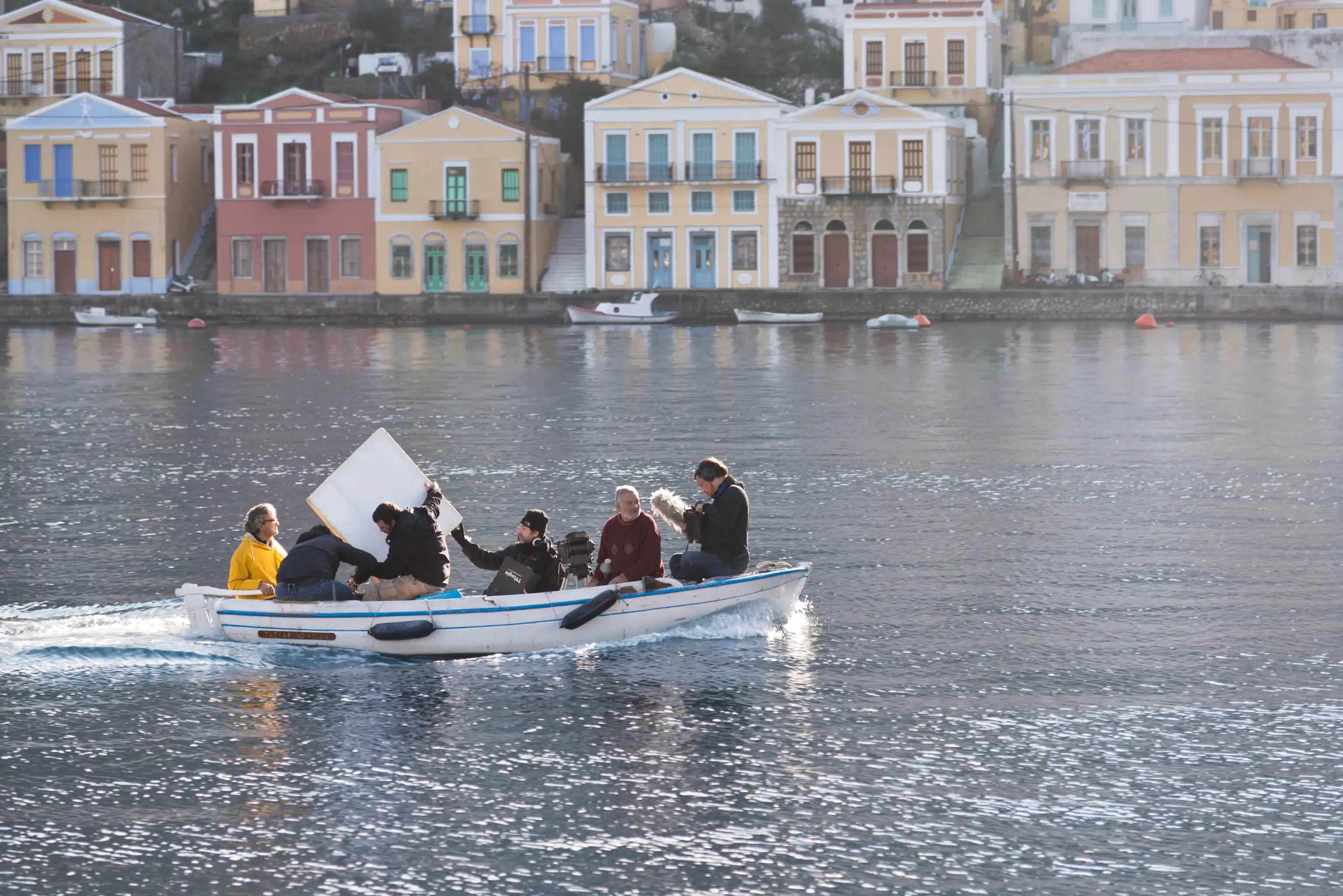
Filming in Greece

Filming in Greece

Locations, logistics, incentives, permits and local production support for international shoots across Greece.

Why film in Greece

What makes Greece work is not only the scenery. It is the combination of location variety, experienced English-speaking crews, strong natural light, manageable travel distances and the ability to build very different visual worlds within the same country. Depending on the brief, we can help shape a production around polished summer landscapes, rugged natural terrain, urban textures, island settings, industrial environments or historically layered locations.

This range is especially valuable when the brief needs more than one visual identity. A project can start in Athens, move to the coast, continue on an island or in the countryside, and still stay within one coordinated production framework. That makes Greece a strong option both for straightforward shoots and for productions with more demanding location needs.

Spectacular
light
Diverse
locations
Experienced
local crews
Well-connected
& accessible

Planning essentials

Key areas to review early for a smooth and successful production.

  • Permits & access
  • Seasonality & weather
  • Travel & accommodation
  • Local crews & suppliers
  • Transport & logistics
  • Incentives & budgeting

Rebates & incentives

For eligible audiovisual projects, Greece currently offers a 40% cash rebate on qualifying production spend. Under the current framework, the eligible local spend cannot exceed 80% of the total production cost, and the subsidy is generally capped at €8 million per project. The minimum eligible local-spend thresholds currently start at €200,000 for fiction film / television projects, €60,000 for creative documentaries and €45,000 for short films. The application also needs to be submitted before work on the project starts.

We prefer to discuss incentives in a practical way, early in the process. When a project appears to fit the current framework, we can review the production structure, local spend and timing and help clarify whether the project is likely to qualify and how that affects the planning.

Commercial shoots, under the current rules, are not eligible for a rebate. For that reason, when we budget commercials and advertising work, we focus on the actual production advantages of Greece — locations, crews, speed, logistics and production value — rather than building the conversation around an incentive assumption.

What to review early

  1. 01Project type & eligibility
  2. 02Qualifying Greek spend
  3. 03Application timing
  4. 04Documentation & compliance
  5. 05Local production setup
  6. 06Specialist advisory support

How Takes 2 can help

Once the brief is defined, we support international productions on the ground with scouting, permitting coordination, crew, casting, logistics and production management.

  • Location scouting & research
  • Permitting & local access
  • Crew & casting
  • Logistics & transport
  • Production management
  • Local partnerships

Locations across Greece

We offer production services all over Greece in a range of film-worthy locations.

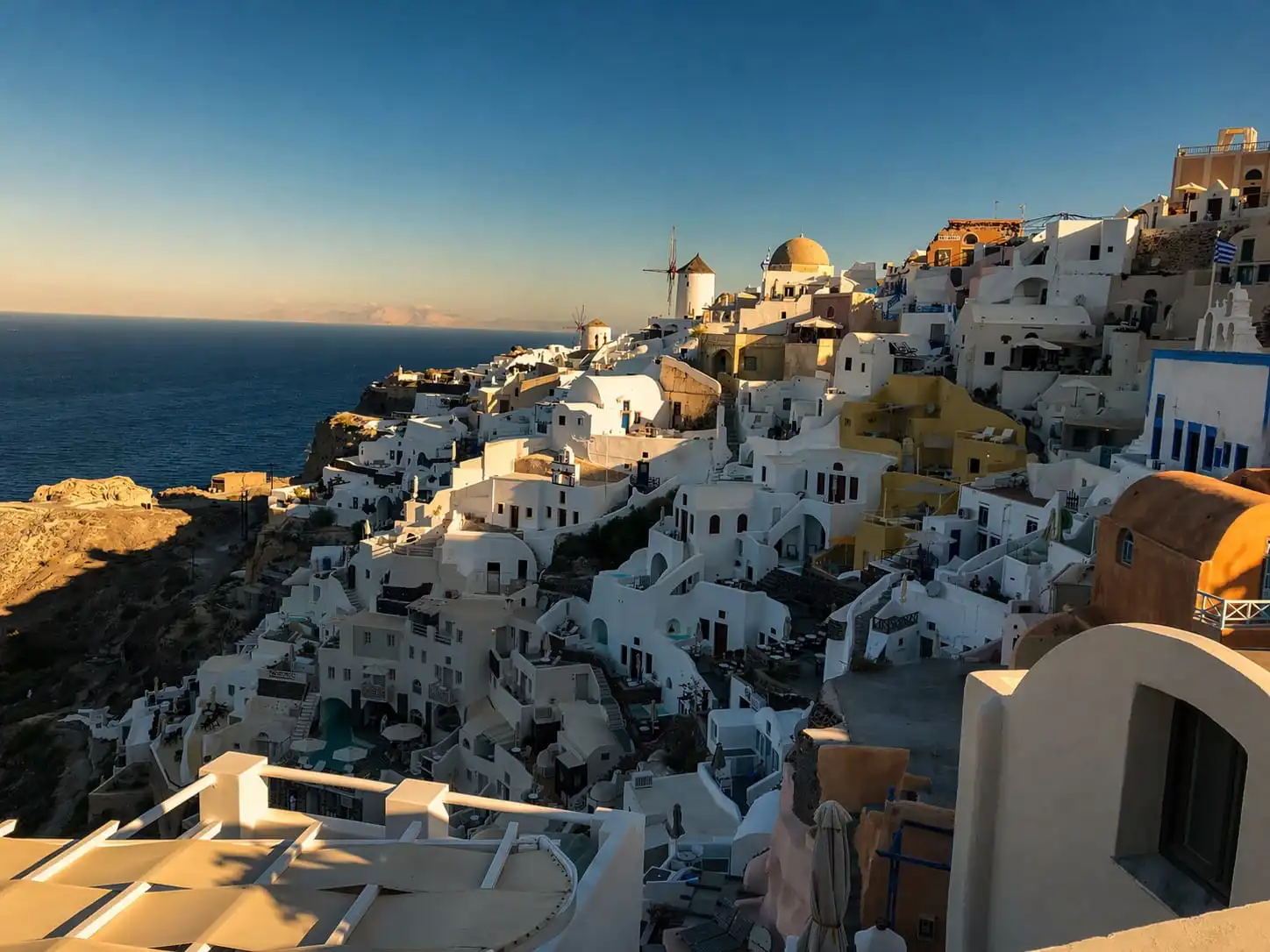
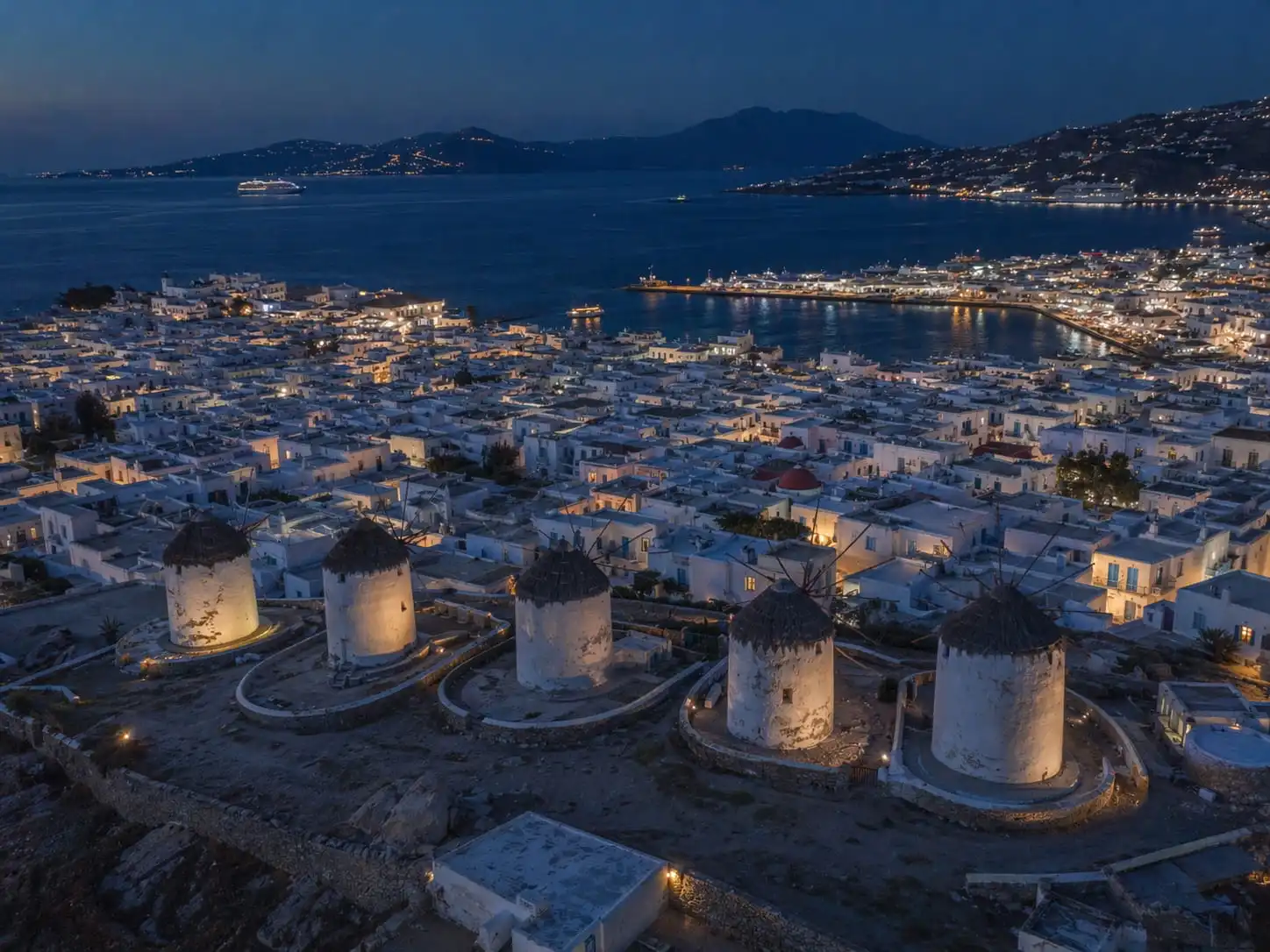
Mykonos
Mykonos
Santorini
Santorini
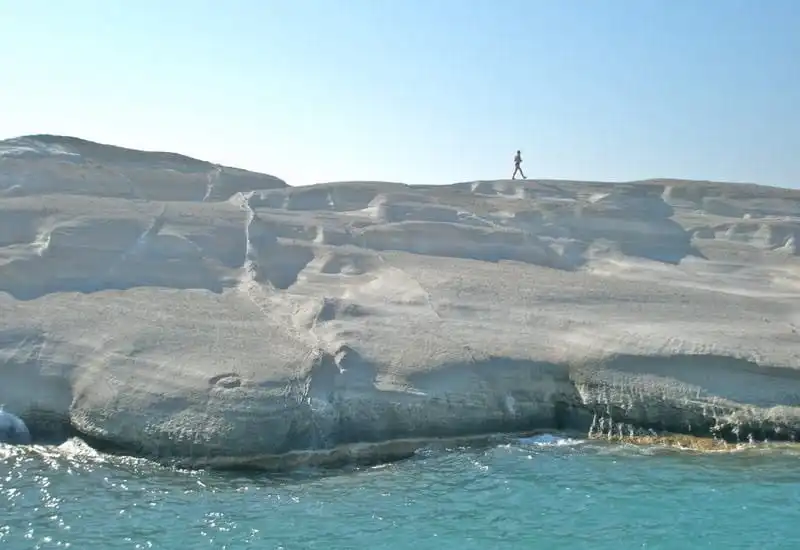
Milos
Milos
Symi
Symi

Planning a shoot in Greece?

Talk to our team about your project and how we can help bring it to life.

Practical Q&A

01

Is Greece only useful for island and summer looks?

No. One of Greece's real strengths is range. Beyond the obvious island imagery, productions can access Athens urban textures, neoclassical districts, ports, industrial environments, mountain terrain, rugged coastlines and historically layered settings within the same country. That range is especially useful when a brief needs more than one visual identity without turning the schedule into a multi-country shoot.

02

How straightforward are filming permits in Greece?

For many standard locations, the process is manageable, but it is not one-size-fits-all. Private properties, municipal spaces, public streets and protected heritage locations can each involve different authorities and timelines. The practical lesson is simple: permits in Greece are usually workable when they are started early and matched to the real needs of the shoot, rather than treated as last-minute paperwork.

03

What is different about filming in archaeological or protected locations?

Sensitive locations need more preparation. For monuments, archaeological sites, museums and certain historic locations, the Ministry of Culture plays a central role, and applications typically require clear production details, dates, equipment lists and scene descriptions. In some cases, additional documentation linked to script content is also part of the process, so these shoots need realistic lead times.

04

How should producers think about the 40% cash rebate?

The rebate can be meaningful for eligible audiovisual productions, but it should be treated as a practical budgeting and structuring question, not as automatic money. Eligibility, qualifying Greek spend, thresholds, caps and timing all matter. For commercial and advertising shoots in particular, we do not recommend building the budget around rebate assumptions; the stronger case for Greece is often the production logic itself.

05

What are the real logistical advantages of Greece?

The advantage is not just scenery. Greece combines visual variety with relatively manageable internal distances, allowing productions to move from city to coast, mainland to island, or urban to natural environments within one coordinated framework. That can create strong production value while keeping the schedule more coherent than it would be across multiple countries.

06

What should international producers watch out for?

The usual pressure points are seasonality, wind exposure on islands, local transport dependencies, crowd levels in peak periods and the longer preparation needed for sensitive or protected sites. Greece works very well when a schedule respects these practical realities and when location, weather and permit timing are considered together rather than separately.

07

Can foreign productions bring their own equipment?

Yes, and temporary import procedures such as ATA Carnet are part of the practical conversation for some productions. At the same time, Athens offers experienced crews and access to production resources, so many projects find a balanced mix between imported specialist kit and locally sourced support.

08

Why do many productions choose Greece even without incentives?

Because the core offer is strong on its own: location variety, strong natural light, experienced English-speaking crews, production value and the ability to create very different visual worlds within one country. Incentives may support the decision, but Greece is most persuasive when the brief already fits the country creatively and logistically.